
A dynamic active killer situation in an apartment building in Minneapolis in early September became a topic of discussion as badge cam video was released showing the events. As always, seeing live engagements take place on video is compelling. It allows us to engage in “meaningful dialogue;” hopefully, less “blame-game” and more “how do we do this better?”
A resident had been assessed for eviction by the building’s owners. He’d threatened his neighbors, warned he was planning to shoot people – this, in the news story from AP, was attested to by neighbors, in court filings and by the cops. He’d been arrested in June for “display of a weapon,” but the county attorney declined to prosecute.
I bet they’re happy with that decision now.
He’d done some shooting in the lobby, 911 calls were initiated and he’d gone to the 9th floor. He’d already injured people on the first floor and apparently killed two residents upstairs.
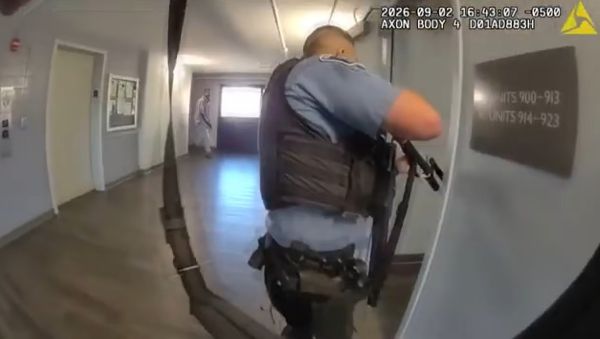
Seeing the video, the officers seem to be doing some kind of active shooter response, using the stair well. The images we see are from the second officer’s badge cam. The point moves into the hall and heads toward an intersecting call. He seems very close to the corner. You can see that the second officer is oriented down the hall, not following the gaze of the point.
At the end of the hall, to the left, we see the homicidal nut enter the hall with a handgun muzzle down. He’s moving deliberately, raising the gun and the second officer’s rifle comes into view.
Right behind the point man. As MSG Paul Howe noted in an instructional video presentation, the point could have backed into the shot, but he was certainly disoriented by the blast inches from his head. The offender shot that leading officer.
As the second officer fired in seemingly an uncontrolled fashion, he backed out of the hallway – as, possibly, did the offender.
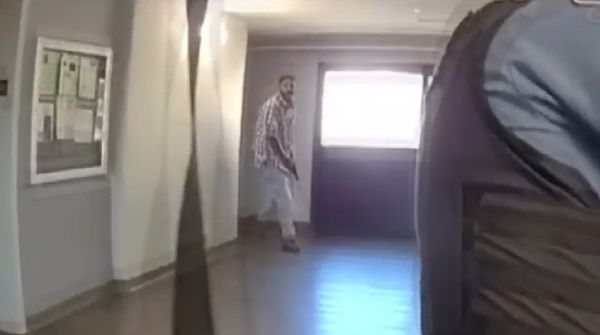
I understand that. It’s not in the book for active shooter response nor for SWAT, but I can understand reluctance to get shot like your point man did. The remainder of his group is on the stairwell behind the crime scene. It appears he wasn’t followed at all. It appears one was concerned with something happening on the flight above – but this is all conjecture.
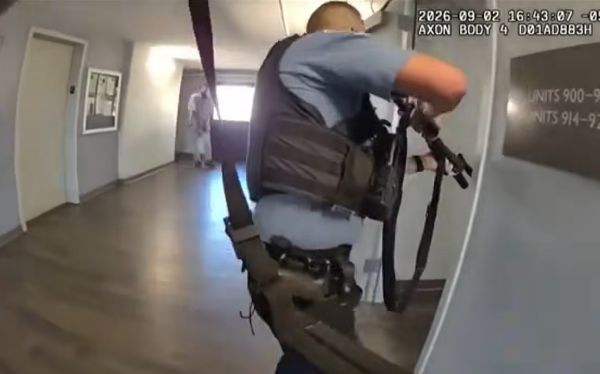
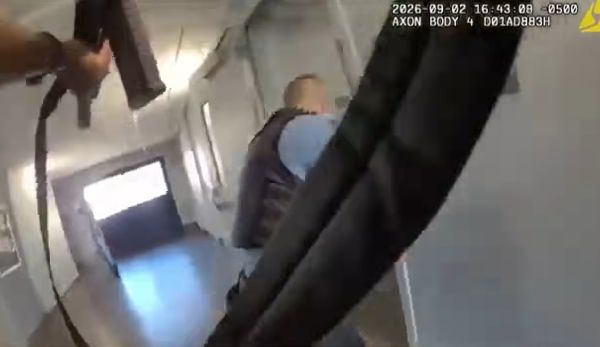
We can war game this until hell won’t have it, but we need to get a few things in order first.
- You don’t have to plant in place when doing a high-risk service. Movement is the name of the game. It’s harder to hit you when you’re moving.
- Mind the damned muzzle! As Howe demonstrates in his videos here and here, you can move into position next to or forward of the point to provide cover, blocking his movement into the line of fire and getting the muzzle past his melon.
- Giving up what you’ve taken is not likely a good idea in a dynamic event; use that entry way your wounded partner fell into -- or close with the enemy. In this case, we added at least one casualty that we didn’t need.
- Finally, the uncontrolled panic fire – with excellent split times, but effectively putting rounds into potentially inhabited units behind the offender – does nothing but provide greater risks to the innocent.
The most practical parts of the CSAT videos by Paul Howe show how to train to cover the problems in this particular event. It won’t happen exactly this way again, but the training forces rehearsals that account for variables.
The training starts with discussion, moves to dry practice, then to the flat range for live fire. The shoot house, with targets, and some interactive simulations with marking cartridges forms the process.
Shooting on a range, going fast and hitting a large target with no concern for misses, serves no legitimate personal protection or police mission. Making effective hits without indiscriminately putting rounds all around the environment is critical.
- Rich Grassi