
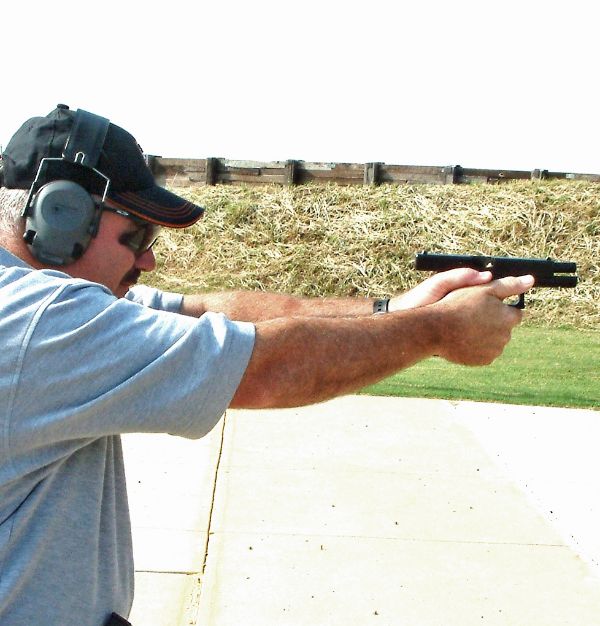
A stoppage is an interruption in the cycle of operation of a firearm. There are various ways this can happen; most often an operator-induced error, there are also issues with ammunition, parts of the gun, interference with a gun while it’s in operation.
Chuck Haggard has noted that stoppages most happen in the midst of the fight – unless they’re deliberately induced during training. That’s my experience also. The best way to prepare is to have the stoppage happen when you don’t expect it – and you clear it and move on.
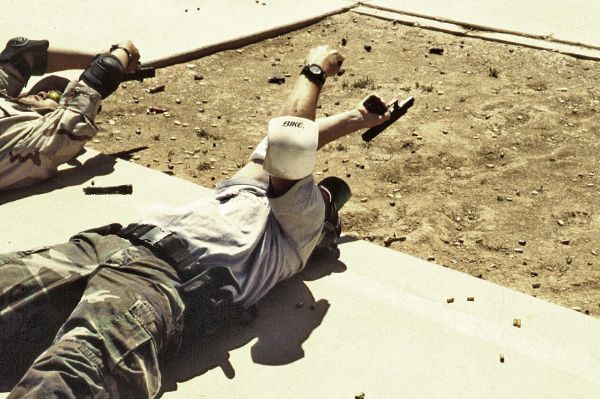
The best way to learn to clear a stoppage is to have it explained, have the remedy demonstrated, then you can perform the clearance on the line – then practice over time. When our outfit transitioned from the S&W Model 686 to the Model 645, I was on the range staff. I’d load a magazine for each person on the line.
They had 8-round magazines. Somewhere between round #2 and round #6, I’d load an empty cartridge case. The S&W M645s would feed empty brass more often than not; if it didn’t feed (creating a failure-to-fire in the next shot), it became a feedway stoppage.
That requires a bit more work.
Invariably, the line would be called upon to put six hits on the target, do a mag swap (tac reload), decock and holster. Also, it would provide entertainment seeing muzzles convulsively plunge toward the ground when a shooter hit the empty.
Nearly invariably, we’d get someone who’d stare at the gun. A good many, not practiced under stress, would either not reseat the magazine (it could have slipped out), slap the side of the gun, press impotently on the slide stop, or rack the slide putting the slide-mounted safety on – decocking and “safe-ing” the gun.
Time to remediate on clearing stoppages.
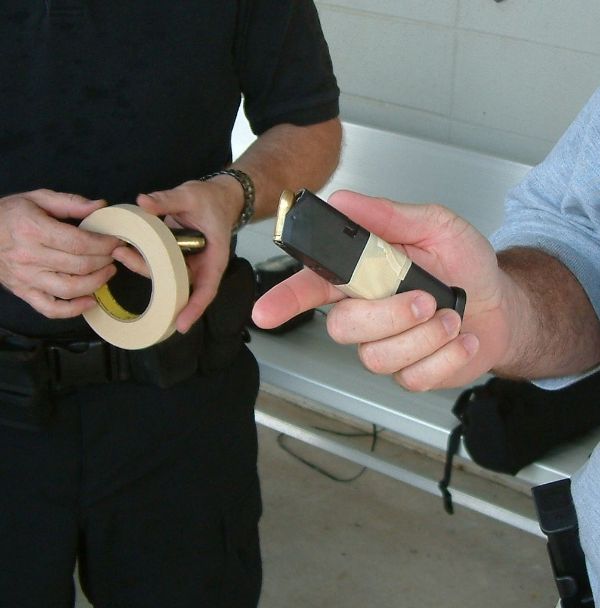
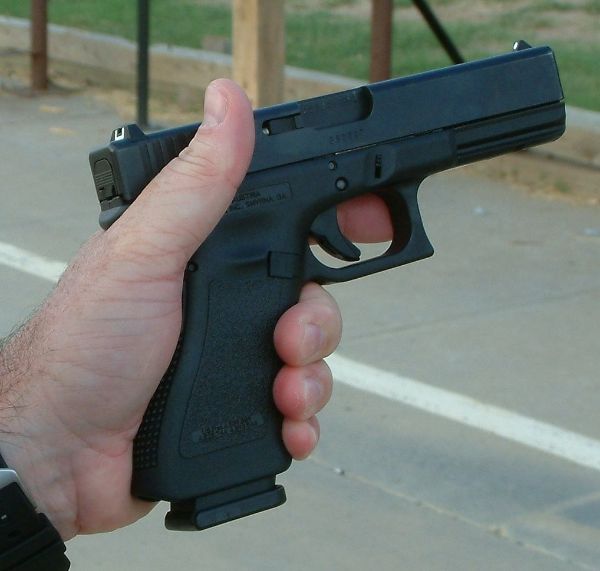
I’d been the victim of such range hijinks over decades after that. Going through a few dozen classes with stoppage reduction as a part, practicing on my own – often “dry” with dummy ammo – it became more or less second nature.
That would be tested going forward.
On one situation, I was in a Sims exercise. We’d been warned that these marking cartridges were not the image of precision reliability and we’d likely have the gun choke at some point during a fight.
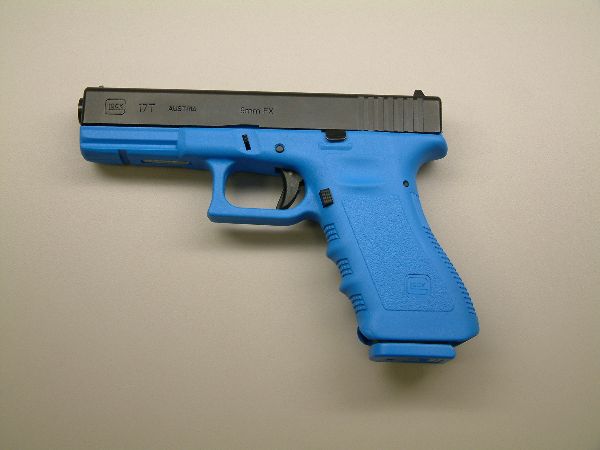
My last scenario, a robbery in progress, featured three role players. I saw two immediately and determined that one of them would be a shooting victim if I could see a way clear to do it. The third, a robbery suspect who rushed into the scene, shouting he’d kill anyone who got in his way, was summarily shot in the back.
As I moved the gun in preparation to (potentially) shoot the loud-mouth roleplayer remaining, I saw he was desperately trying to claw a gun out of his waistband.
I had a dead-trigger. Before I could think, I’d popped the floorplate to seat the mag, viciously racked the slide and put the next round out just as he shot at me.
Aside from a sliding pellet across the knuckle of my gun hand, I was happy I was able to clear it quickly, without reflection.
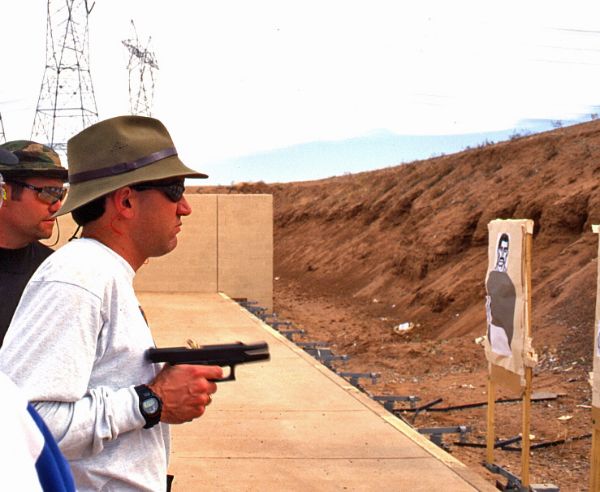
Then I was questioned about drilling an armed robbery suspect without giving a warning. I’d warned him; he just didn’t hear me over the gunfire.
The next time I found I’d gotten the deal was at a writers’ event sponsored by a big gun company. They’d come up with a competition between writers to see if one of us won a gun. Another peace officer/gun writer shot just before me and considerately loaded magazines for me.
Apparently, he knew I’d done the empty brass thing to our people on the range.
As I shot my stage, the gun choked.
Again, on reflex, I cleared it and continued the march – losing the competition but reassuring me that I knew what to do when an auto pistol quit running.
This arises now because I’d seen the quote on social media about stoppages only seeming to happen when it’s critical that they don’t. I was shooting a local match just a few days ago.
I got a dead trigger, cleared it and continued shooting without anyone being the wiser.
Clearing stoppages is a critical skill. When you go to shoot a standard or drill at the local range – if it’s something you can get by with – load each magazine with one or two dummy rounds. Mix up the ammo well and try to make sure you don’t know when the “click” will come.
That practice will pay dividends.
– Rich Grassi