
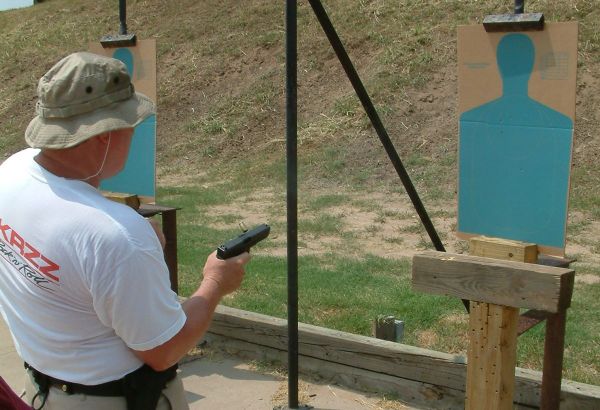
I’ve been amused by people espousing the concept “shoot-train-qualify up close, that’s where the fight is. Look at the statistics.”
As to shoot-train-qualify, it’s nuanced, depending on the individual conversation.
There are a few problems with “shoot up close” to rehearse for the fight. If you’re that close, unless you already know it’s a shooting situation and you can’t escape, it is very likely going to require activating the weapon system you always have in place: your physicality.
I’m old, I know people who are “differently abled” or whatever the fashionable phrase is these days. Going hands-on will be a problem. As always, having a nonlethal option available to dissuade an attacker is better than being without.
But shooting is more a distance proposition than most people think. I know “they don’t rob you from across the street.” That problem could require expertise in a surreptitious draw – have you practiced that?
Knowing that once you do shoot, it’s critical to move; it’s not a one-way range. If someone’s coming for you or sending bullets to you, it’s best not to be there when they arrive.
If you can –
Does it sound like I’m recommending something tiny? More like discreet.
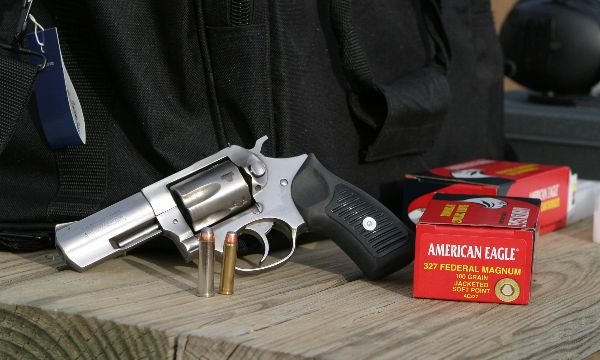
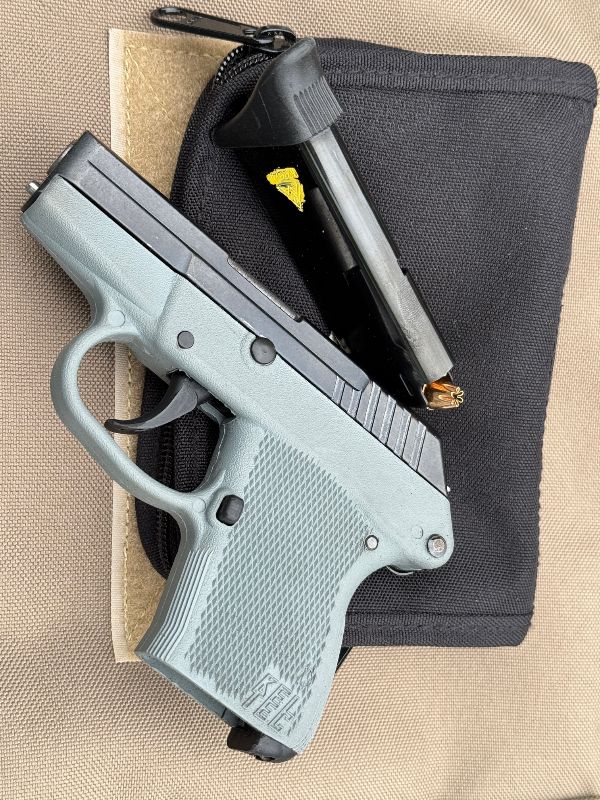
Aside from the first rule “having a gun,” we have another rule, “make sure others don’t know you have a gun.” If it’s not needed in the transaction, keep it quiet.
Going on, you need to ensure that you can shoot the gun. This requires us to look at rules devised for ammo selection.
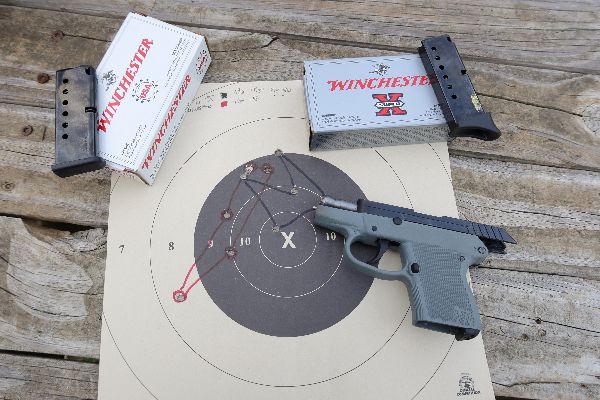
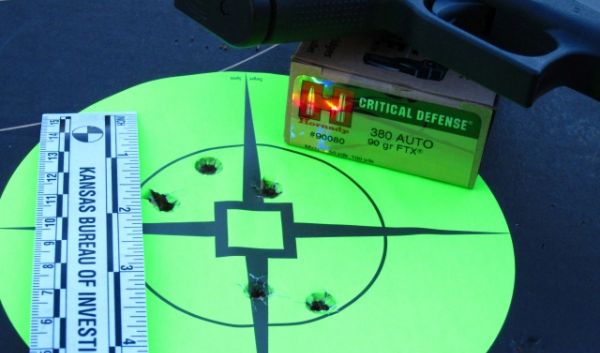
For one thing, the gun (with that ammo) has to have (1) ignition reliability, (2) have functional reliability (the damned thing has to work), and (3) the gun hits to the sights with that load. When I started this particular investigation back when I was more newly retired, I set the distance to check the sights at 10 yards. It’s moved back to fifteen – because 10 wasn’t giving me the information I needed.
Nearly every gun could do it at thirty feet.
Backing out makes the hidden errors become visible.
While I’m not taking the Kel-Tec P-32 or Ruger LCP out to the long line (50 yards), I’ll check point-of-impact vs. point-of-aim at fifteen yards. That gives me actionable information.
Remember, the smaller the gun, the more likely you’ll have a compromised grip – and you don’t need that. A matter of practice and doing what needs done are more important than just buying another gun.
Claude Werner added a grip sleeve, I believe the Hogue HandAll to a Ruger LCP II, if I’m not mistaken. It adds little to concealment problems while helping greatly in shootability.
I changed the stocks on the S&W M432 UC to Hogue Tamers for a similar reason.
A technique seldom, it seems, discussed these days is starting with the hand in a firing grip on the holstered pistol. If it’s holstered on the belt, it can be considered “brandishing” or agg assault in some states (read the statute).
If the gun’s in a pocket holster, it just looks like your hands are cold.
The longest time lapse (after recognizing a threat and decided to act) is acquiring your grip on a holstered handgun – having your hand already there makes it less than a second to a decent hit.
Having the gun out and in your hand when an attack commences increases the chance of a successful gun grab attempt. Those who brag about having a “security holster” lose whatever advantage it offers if the gun is in hand.
If you can arrange it, competing with your deep concealment gun is helpful. It increases pressure over solo practice and you’re at least putting some ego on the line. The Snub Noir people like to arrange competitions with snub revolvers.
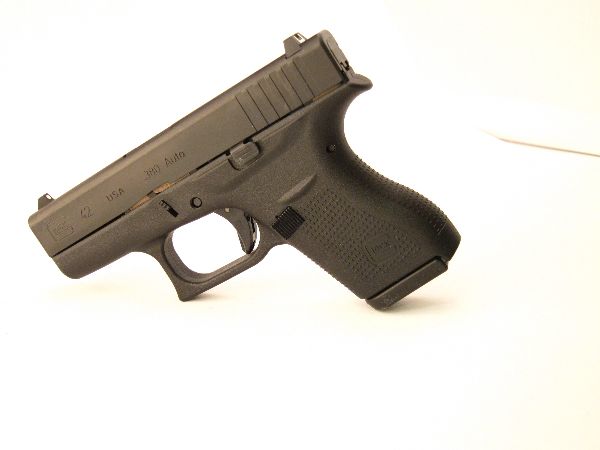
And you could always shoot the GSSF Indoor League in the “Pocket GLOCK” category – for G42 and G43 (not-X) models only. Having the record of your performance in a match or two or three (they’re fun) can’t hurt. And it’s seriously good practice.
– Rich Grassi