
From a training class I attended many years ago, some notes:
“Don't put your mindset in the locker when you go off-duty. See Arlene Beckles, NYPD - beauty shop shooting: in her case, awareness was the key. She "knew" something was wrong before the robbers came in.”
(Know this --)
“1. It will happen to me
“2. I will have a plan (she did)”
I don’t know anything about the case other than what I see in the news – that means the information is incomplete, it’s not likely what appears in the offense/arrest reports and narratives.
That said, it’s an “anything can happen at any time” reminder and it goes for more than “plainclothes/off-duty officer survival” (PCODO); with the proliferation of lawfully armed citizens these days, it’s a good lesson for all.
From a news report of the incident, well after the 1994 event, NYPD officer Arlene Beckles had a shootout with three armed robbery suspects in a hair salon – while she was off-duty and, apparently, a customer of the establishment.
According to a news report on how officer Beckles ended her career, “Beckles was off-duty and getting her hair done when three gunmen burst into the Salon la Mode in downtown Brooklyn. She pulled out her pistol and shot the three would-be robbers, one fatally.”
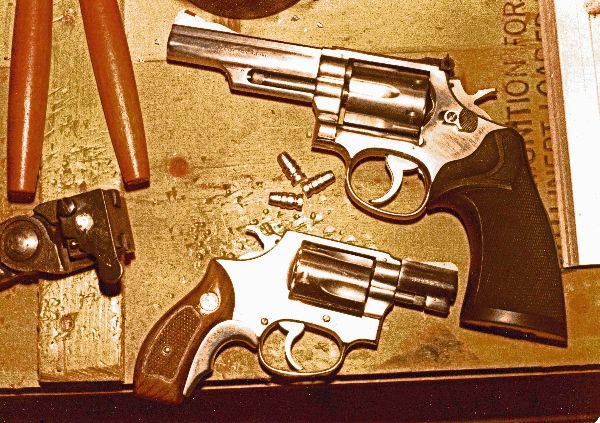
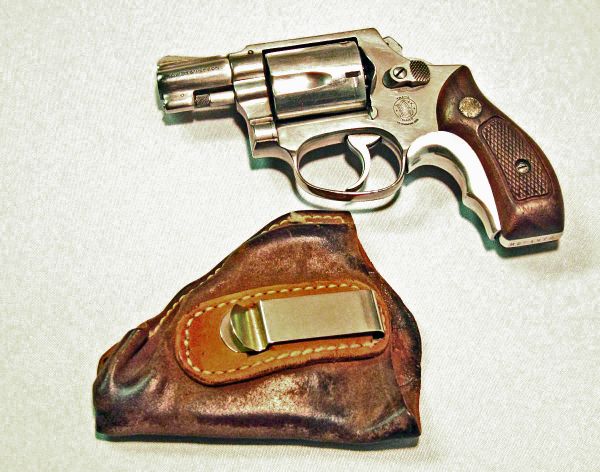
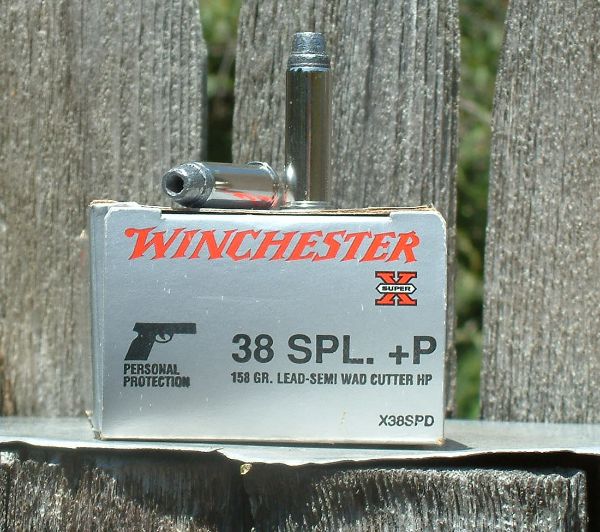
Understanding that the typical off-duty artillery of the era was a five- or six-shot, small frame, 38 revolver, that’s pretty fair shooting.
Years later, in Bedford-Stuyvesant, NYPD Member of Service Feris Jones was off-duty, in a hair salon as a customer. An armed robbery suspect entered the establishment with a “44,” and ordered the patrons to turn over their money. He also sought to herd them into a back room – expanding the crime scene and quite possibly to execute witnesses. Jones drew her gun, announced her office and ordered him to desist. He shot at her and she engaged him with five-rounds.
A round hit his hand, forcing him to lose his gun. Another round wrecked the door – shot the handle off – preventing his use of the door to escape.
The fifty-year-old officer, a 20-year vet, had never fired a weapon in the line of duty. The distance involved was around 12 feet.
The offender recovered his gun, kicked a window out and left the scene. He was later apprehended.
It may seem to be coincidence, but there seems to be a pattern of being in the wrong place at the wrong time.
In the first case, Beckles, aged 30, was sitting under a hair dryer when three armed robbers entered the salon in Brooklyn. She drew on them and fired, killing one and wounding two others.
She ran out of ammunition.
One of the injured suspects put his gun to Officer Beckles’ head and pulled the trigger. According to corporate media, his gun “jammed.” He tried again, but his desire to murder exceeded his understanding of the firearm’s operating system.
She “survived.” She was promoted to detective, feted by President Clinton and Mayor Giuliani “officiated at her wedding.”
All’s well, right?
Well, no. According to later news accounts, things went badly for her. A suspension for sick leave abuse. She attempted to get a medical retirement, but the officials found her “fit.” According to a story in the NY Post, “Her anger bubbled over by 1997, and she was checked into the psychiatric ward at St. Vincents Hospital after telling an NYPD shrink “she felt like killing someone in health services . . . [and] would blow the place up.””
She was forced to retire.
In this enlightened age, we’d likely be looking at a service-connected disability; if you go from a hair-do to a gunfight in which you run out of ammo, to a murder attempt – and then have everyone say you’re a hero, that’s got to mess with your head.
So – what are the lessons?
First, avoidance is top of the list of priorities. Failing that, evasion and escape. If you can get out of this nightmare, do it.
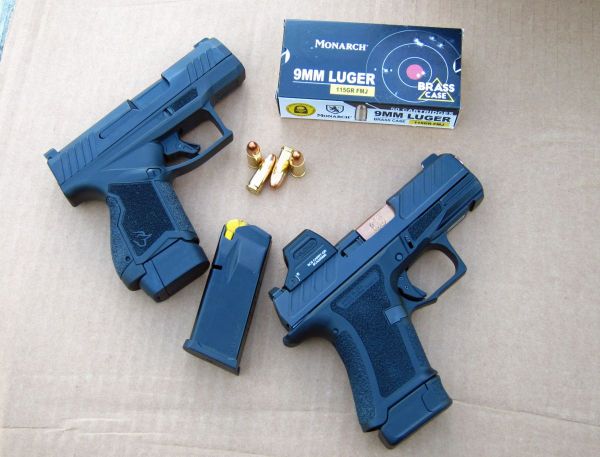
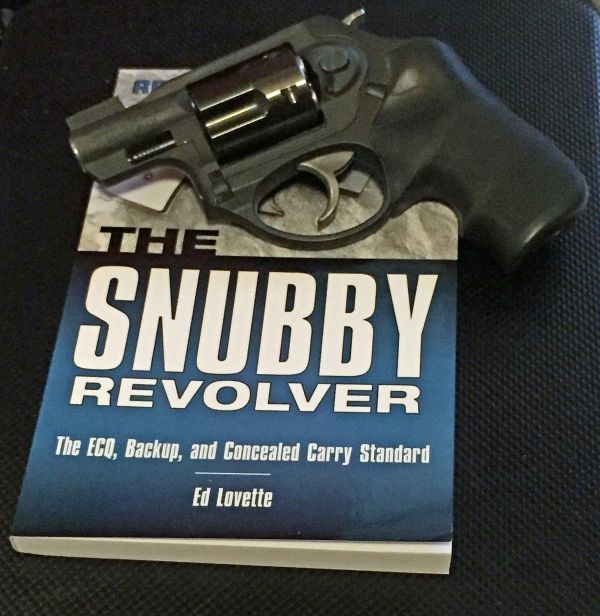
Next, have your plan in place in case things go south. Are you armed? If so, with what? The little “pocket-rocket 380s and tiny snub 38s” may not be the best choice for a primary defense gun.
That said, there are non-permissive environments, the necessity to retain employment in service to prohibitionists who don’t recognize armed self-defense as a natural right, and times where you won’t be able to exercise control over a firearm.
It’s a balancing act.
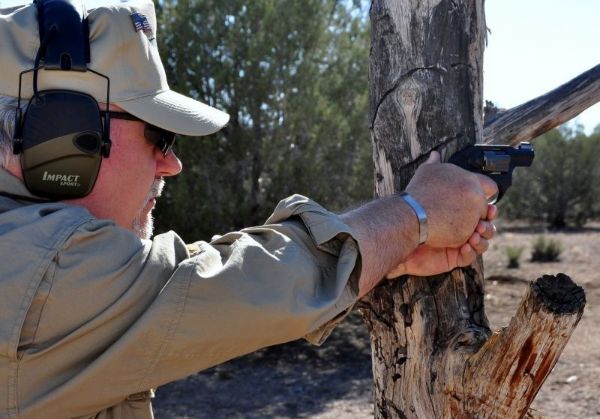
I’ve carried backup guns regularly since 1978. The first gun that goes on when I start the day is the last chance to get me home at the end of the day. Like checking the chamber of the auto pistol first (it’s the most critical round) and then checking that the magazine is loaded, the handgun gets prepared first. If your day includes a rifle, feel free to sort it out then.
The typical snub revolver I carry gets checked and donned first. Then I sort out the holster gun – and spare magazine.
Am I likely to need those guns?
No. If I thought I was, I’d bunker down and be loading the rifle to prepare for battle.
It’s not about what I expect; it’s about what happens when I am least ready. Knowing that it’s coming – and learning from the experience of Officers Beckles and Jones – puts me in a better place. We just don’t plan for the gunfight.
We have to plan for the aftermath too.
– Rich Grassi