
Last Saturday, I was at an out-of-town gun shop with a friend. It was a chance to spend a little time on the road, a little time catching up with a former coworker, and a chance to check in with a gunsmith acquaintance of long standing.
While there, we were told of a group of individuals who’d cased the place by coming in and, in violation of posted signs, began capturing images of firearms in stock.
Okay, so they were casing the place.
They figured that the actors were non-indigenous – that is the group could be related to some international issues in the current news cycle. That made the staff nervous.
It got me to thinking that the most vulnerable time would be at opening and closing. So how does one prepare?
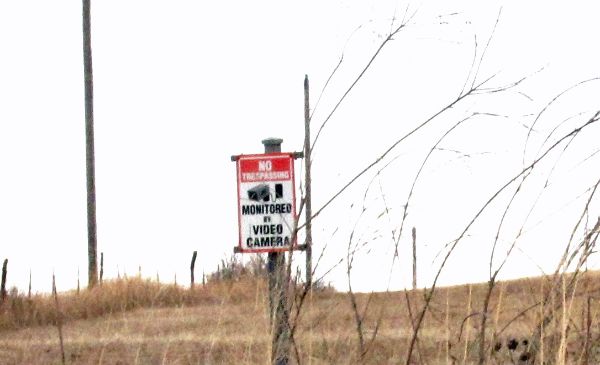
Even residential properties out in the country find a use for video surveillance.
To start, I’d never have one person show up alone to open – or have only one person around to close. I’d want to have video countermeasures in place, inside and out, with alerts to be set in the runup to closing time and before opening.
How far in advance the alerts should be set to sound should vary, but I’d not go in – nor allow anyone in – if the video was out of service.
To open, I’d ensure I was driving in without being followed. That requires more space to discuss than we have here, but search on “counter-surveillance.” I’d set up at some distance from the store and watch for a bit.
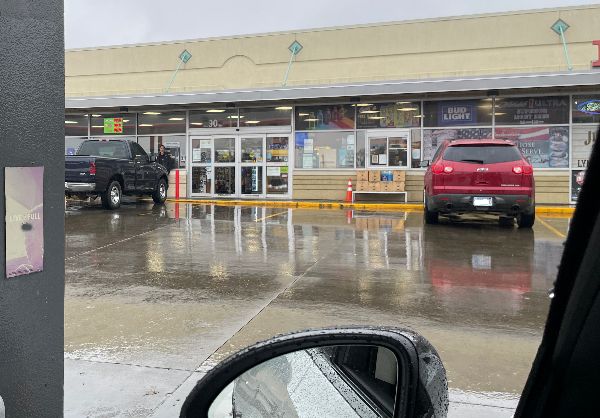
Sitting surveillance in the store parking lot is too close to see others who may be watching the place. Below, distance is your friend.
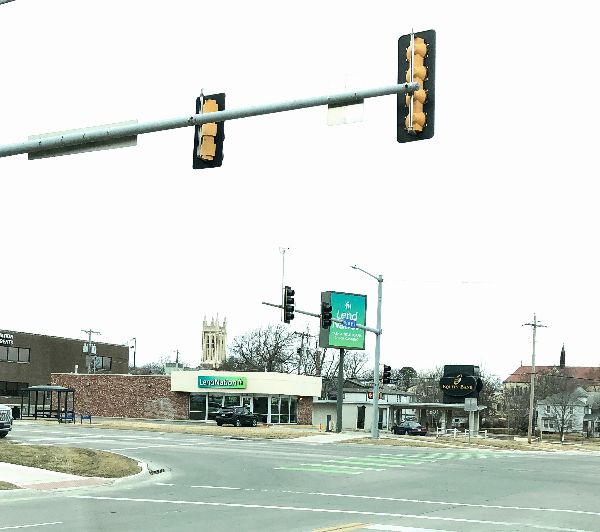
Pulling a “cover-contact” routine is helpful. If pre-operation surveillance was quiet, one person goes to open while another watches from distance. Once that person is in, cover changes to the one in the store while the other worker approaches.
When closing time approaches, spare someone to go out and check the area. That person has to call with a prearranged code before anyone else comes out.
Don’t come back and get bottled up in the doorway.
Always assume there’s going to be trouble. These characters may be staging for a terror event, could be thieves or could simply be internet yahoos bent on showing videos and stills from your establishment on social media.
You don’t know and there’s no percentage in guessing. Consider any attempt to collect information on what you have available in the store to be a problem.
The great thing is that they tipped their hand. They may never come back, but there’s always someone who might try their luck. That gives you time to plan.
First, get your video issues in order. Have a constantly running PoE (power over ethernet) surveillance camera array. Wireless isn’t the best plan. PoE is less susceptible to jamming than consumer video surveillance units. With an appropriate network video recorder, you’ll have images of anyone you suspect of casing the place. By extending your reach of cameras outside the business, you can see what else is happening around the place – which is of some commercial concern beyond robbery and the like.
Next, brief the people working in your establishment about identifying suspicious behaviors, opening and closing procedures (not routines) and establish contacts with local law enforcement for getting images of suspicious persons loitering and taking photos around the place.
It’s all about preparation for an event that may never come.
– Rich Grassi